Is your brand visible in AI search?
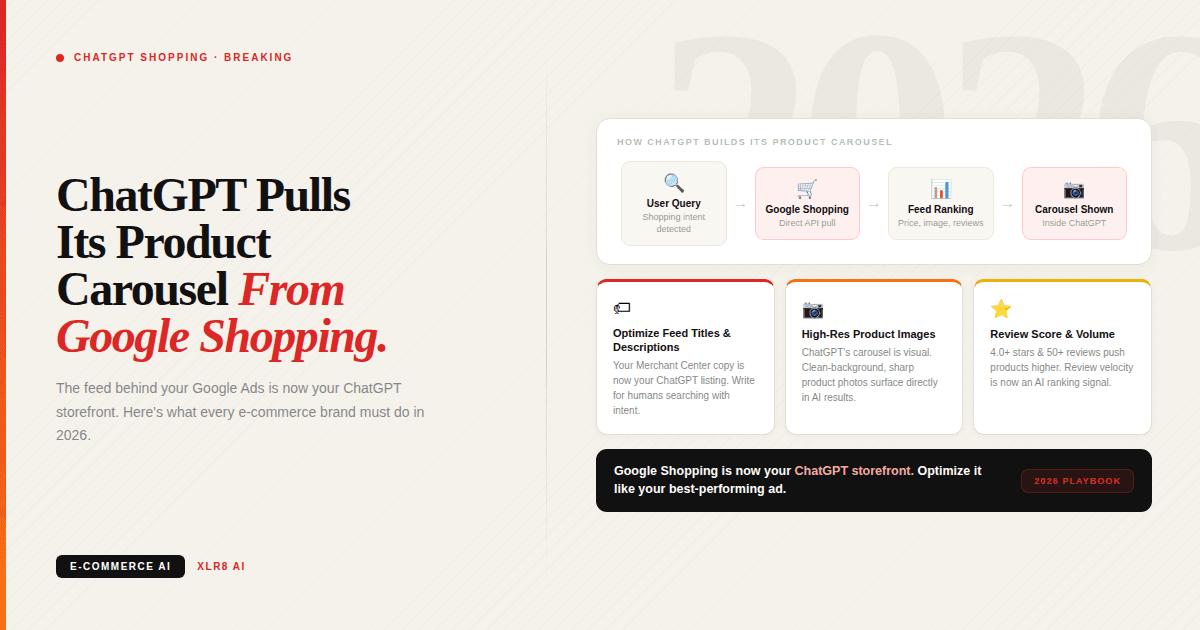
A new study from XLR8 AI reveals how ChatGPT selects products for its recommendation carousel and the data points strongly toward Google Shopping as the underlying product retrieval layer.
By decoding a hidden shopping query fan-out layer, XLR8 AI discovered that ChatGPT runs a separate encoded query specifically designed to retrieve structured product listings. This retrieval pipeline appears distinct from the contextual searches used to generate the written answer.
For e-commerce brands, the implication is significant: product visibility in AI interfaces may be closely tied to visibility in Google Shopping results.
What Is a Shopping Query Fan-Out in ChatGPT?
When a user asks ChatGPT for product recommendations, the system does not rely solely on its training data. Instead, it generates fan-out queries that retrieve information from external sources.
The XLR8 AI study shows that product prompts trigger a secondary encoded query layer specifically designed for shopping results. This query appears as Base64-encoded data in the response metadata and contains parameters such as product attributes, locale settings, and a structured search query used to retrieve product listings.
This shopping query layer operates separately from the contextual search queries used to generate the written explanation.
How Did XLR8 AI Decode the ChatGPT Shopping Query Layer?
To investigate how product recommendations are generated, XLR8 AI reverse-engineered the encoded query layer embedded in product recommendation responses.
Step 1 — Trigger a product carousel in ChatGPT
Log into ChatGPT and run a product-specific query — for example, "best budget moisturiser for dry skin". This activates both the standard fan-out behaviour and the shopping-specific fan-out layer.
Step 2 — Find standard fan-out queries via Chrome DevTools
Open Chrome DevTools → Network tab → Fetch/XHR. Filter by the conversation ID from the ChatGPT URL, reload the conversation, and search for search_model_queries. This surfaces the standard contextual searches ChatGPT runs to construct its written answer.
Step 3 — Decode the hidden shopping fan-out
In the same network file, search for id_to_token_map. Locate the string beginning with "ey" — this is Base64-encoded data. Paste it into any Base64 decoder. What you'll find is a short, tightly formatted shopping query — typically seven words or fewer — structured to retrieve a specific Google Shopping results page.
Example decoded output: query: "budget+moisturiser+dry+skin+2025"
Step 4 — Cross-reference against Google Shopping
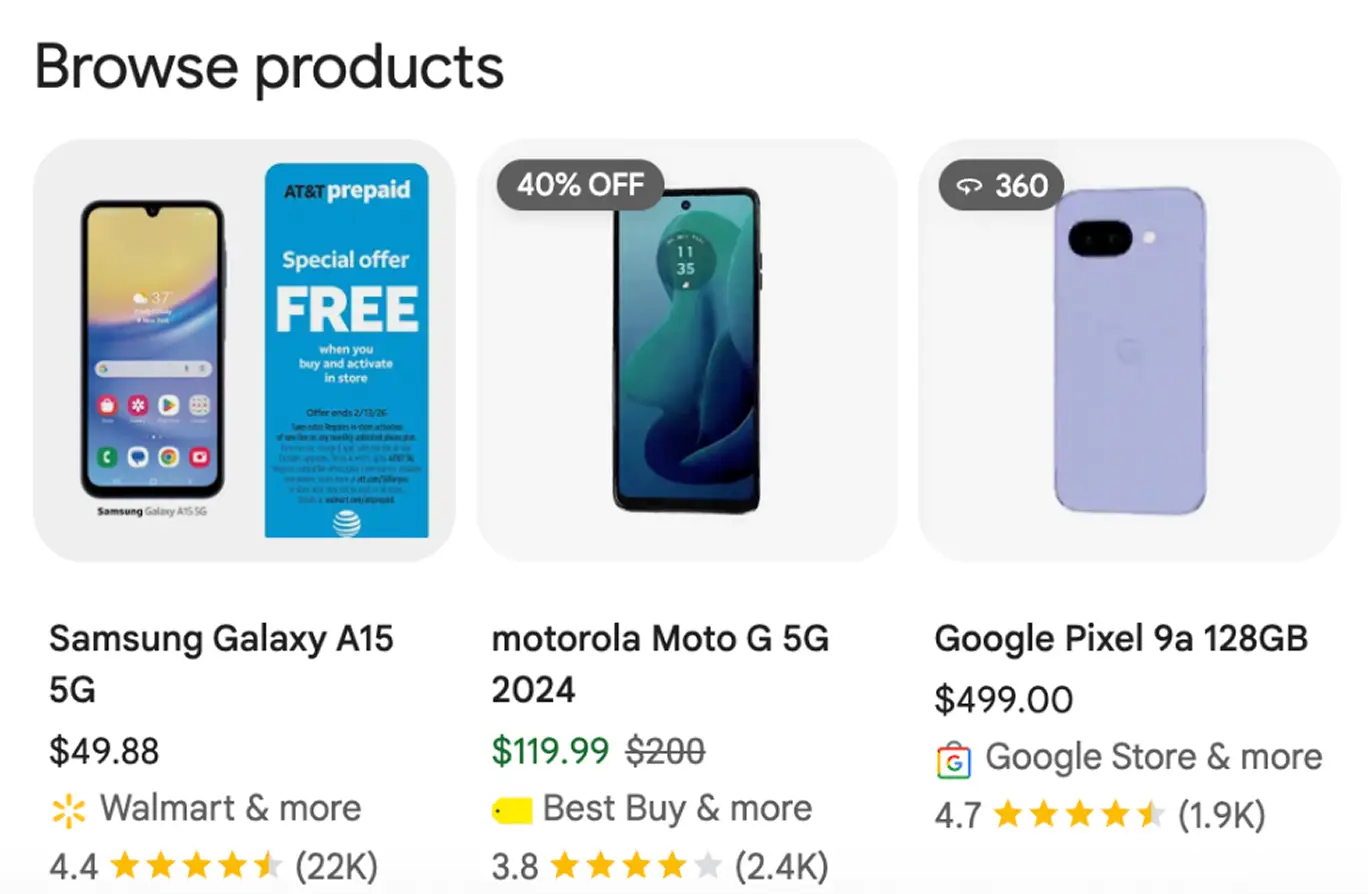
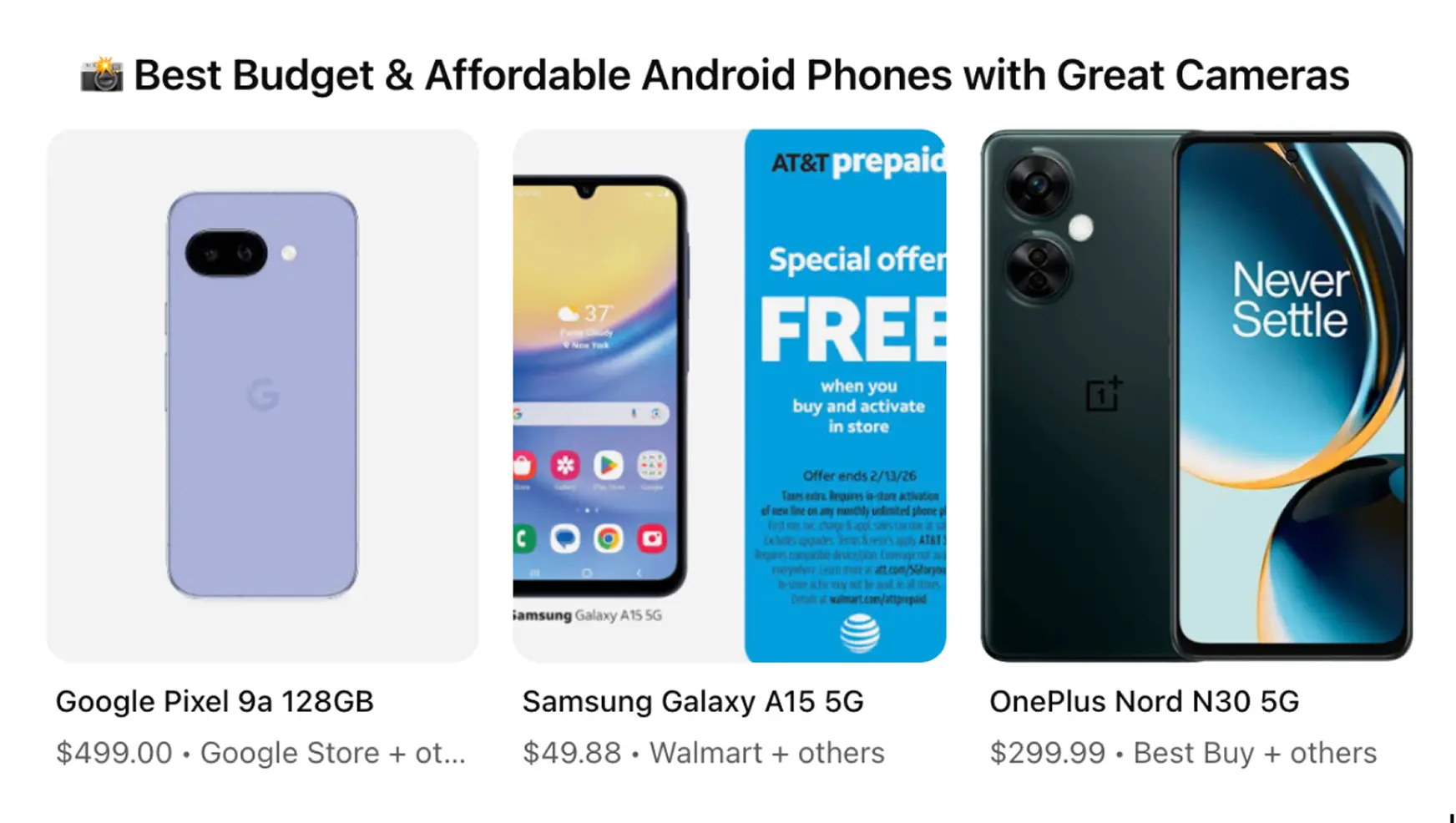
Run the decoded query directly in Google Shopping, matching the locale and region settings used in ChatGPT. Compare the returned products against what appeared in ChatGPT's carousel. Across our testing, the overlap was consistent and direct — not coincidental.
Are Shopping Fan-Out Queries Different From Search Fan-Out Queries?
Yes. XLR8 AI found that the shopping retrieval pipeline is structurally different from the contextual retrieval pipeline.
Standard search fan-outs average 12 words and are designed to retrieve rich editorial content such as review articles, buying guides, and comparisons. These longer queries provide context for the written explanation ChatGPT generates.
Shopping fan-outs average 7 words and are designed to retrieve a specific page of structured product listings rather than editorial content.
Across the prompts tested by XLR8 AI, shopping queries were unique from contextual queries in more than 98% of cases, confirming that these are two distinct retrieval processes.
How Similar Are ChatGPT Carousel Products to Google Shopping Results?
To measure the connection at scale, XLR8 AI tested 100 product prompts across multiple categories including skincare, electronics, home goods, and apparel.
Each ChatGPT carousel was compared against the organic results from the decoded Google Shopping query. Paid and sponsored listings were excluded. Products were matched using title similarity with a 0.8 similarity threshold, requiring the same brand and product name.
Results from the XLR8 AI dataset
Metric | Finding |
Prompts tested | 100 |
Top ChatGPT recommendation matching Google Shopping top-3 | 75% |
Average shopping fan-outs per prompt | 1.16 |
Shopping fan-outs unique from contextual queries | 98%+ |
The overlap appeared consistently across categories, suggesting that the behaviour is systemic rather than category-specific.
Google Shopping:
ChatGPT:
Does ChatGPT Favor Higher Google Shopping Rankings?
Yes. The XLR8 AI dataset shows a clear positional relationship between Google Shopping rankings and ChatGPT carousel placement.
Products appearing in the first carousel position typically corresponded to products ranked within the top five organic Google Shopping results. Products appearing later in the carousel corresponded to progressively lower Shopping positions.
Across the dataset, most matched products came from the top 20 organic Google Shopping results, indicating that higher Shopping rankings strongly correlate with higher ChatGPT carousel visibility.
What Are the Key Findings From the XLR8 AI Study?
ChatGPT product carousels strongly correlate with Google Shopping results
In the XLR8 AI dataset, 75% of the top ChatGPT product recommendations matched a product ranked in the top three Google Shopping organic results for the decoded query.
Product retrieval and contextual retrieval are separate systems
Shopping fan-outs are shorter, fewer, and structurally different from contextual fan-outs. One pipeline retrieves structured product listings, while the other retrieves editorial web content.
Higher Google Shopping rankings increase ChatGPT visibility
Products ranking higher in Google Shopping were significantly more likely to appear in the ChatGPT carousel and to appear earlier in the list.
What Should E-commerce Brands Do About This in 2026?
Treat Google Shopping as an AI visibility channel
Google Shopping feeds are no longer only a paid acquisition mechanism. According to the XLR8 AI study, products that rank well organically in Google Shopping are also more likely to appear in ChatGPT’s product carousel.
Feed optimisation, category accuracy, and product title relevance now influence AI-driven product discovery.
Keep product feed data accurate and current
ChatGPT appears to rely on product indexes that provide live pricing and inventory signals. Outdated prices or incorrect availability can reduce the likelihood of appearing in AI-generated product recommendations.
Align product titles with shopping query patterns
The decoded shopping queries are short and structured around use case, product attribute, and year. Product titles that reflect these patterns are more likely to align with the product listings ChatGPT retrieves.
Separate carousel optimisation from editorial optimisation
Appearing in ChatGPT’s written answer requires content authority and GEO optimisation. Appearing in the product carousel requires Shopping feed performance and product ranking. These are separate strategies that e-commerce brands must treat independently.
What Comes Next for AI-Driven Product Discovery?
ChatGPT’s current reliance on external product indexes reflects the current state of AI commerce infrastructure. However, this architecture is evolving.
Industry signals suggest the emergence of first-party shopping data layers, in-chat purchasing systems, and agentic commerce workflows where transactions occur directly inside AI interfaces.
For now, the XLR8 AI research indicates that Google Shopping remains a major structural input into ChatGPT product recommendations. Brands that optimise their product data infrastructure today will be better positioned as AI-driven shopping continues to expand.
FAQ
How does ChatGPT choose products for its recommendation carousel?
ChatGPT appears to retrieve products using a dedicated shopping query layer rather than generating them from training data alone. XLR8 AI research found that product prompts trigger encoded shopping fan-out queries that retrieve structured product listings. These queries strongly correlated with Google Shopping organic results, indicating that existing product search infrastructure plays a major role in populating ChatGPT carousels.
Does ranking higher in Google Shopping increase ChatGPT visibility?
The XLR8 AI dataset suggests a clear relationship between Google Shopping ranking and ChatGPT carousel placement. Products appearing earlier in ChatGPT carousels frequently corresponded to higher organic Shopping positions. In the study dataset, most matching products came from within the top 20 organic Google Shopping results.
Are ChatGPT product recommendations generated from training data?
No. While ChatGPT uses training data to understand product categories and attributes, real-time recommendations require external data sources. Product carousels appear to rely on external retrieval systems that provide live pricing, inventory status, and retailer information.
Why should e-commerce brands optimize their Google Shopping feeds?
According to XLR8 AI research, products ranking well in Google Shopping organic results are significantly more likely to appear in ChatGPT product carousels. This means product feed quality, accurate categorisation, and descriptive titles influence both search visibility and AI-driven product discovery.
For more details, refer this blog.